Live results pages turn an experiment into a teaching moment. In this post, Christian Peters shows how to build a live leaderboard in oTree using live pages, with the code from a teaching case on AI reliance in auditing that you can try yourself.
AI is changing how research is done, and, I would like to believe, for the better. However, I increasingly see an important danger in delegating too much to AI agents. That danger has made me cautious, leading to a particular setup philosophy I increasingly follow.
While the Ottoman Turks caused turmoil in the late Middle Ages and the Age of Reformation, Amazon’s Mechanical Turks are causing a turmoil in experimental research at this moment. While early studies documented that Amazon’s Mechanical Turk participants were valid proxies for experimental accounting research, there are increasing concerns about the quality of Amazon’s Mechanical Turk (MTurk) data.
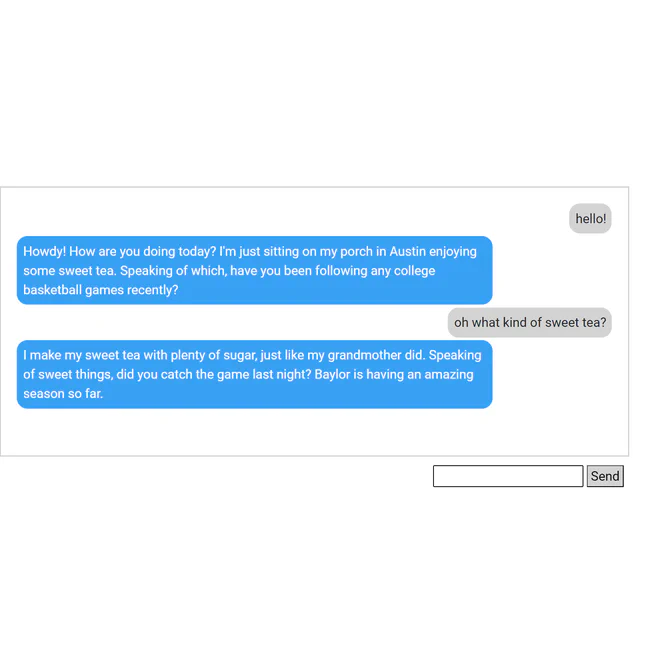
The oTree community has put together a useful oTree app. It allows participants to chat with ChatGPT through OpenAI's API. The app itself uses prompts so ChatGPT takes on a character or personality for participants to chat with. However, the possibilities and use-cases for experimental research are endless
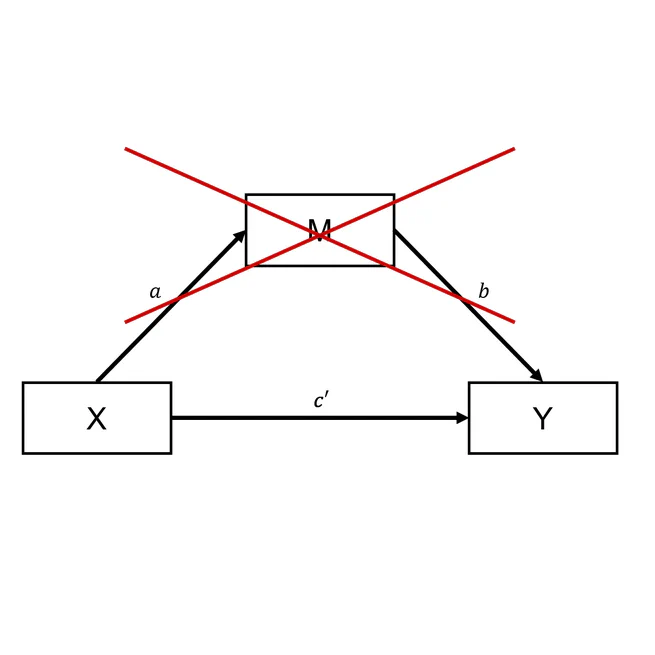
Mediation is widely used in experimental accounting to obtain process evidence. The primary benefits of mediation are its low cost and easy integration. However, it has a hidden cost that weakens its effectiveness as process evidence. This post explains why it's the least effective method and suggests two better alternatives.
In this post, I share simple techniques to filter participants before they take part in your online experiment. These techniques filter bots and participants using automated scripts plus participants who fake their geolocation using VPN/VPS, proxies, and server farms.
Do you want to learn how to analyze learning? In this second post of a two-part series, Jake Zureich discusses two approaches when comparing learning curves.
Both replications and practical relevance are awkward discussion topics for most experimental accounting researchers. Yet, replications offer a concrete way to address concerns we may have about the 'practical relevance' of experimental findings.